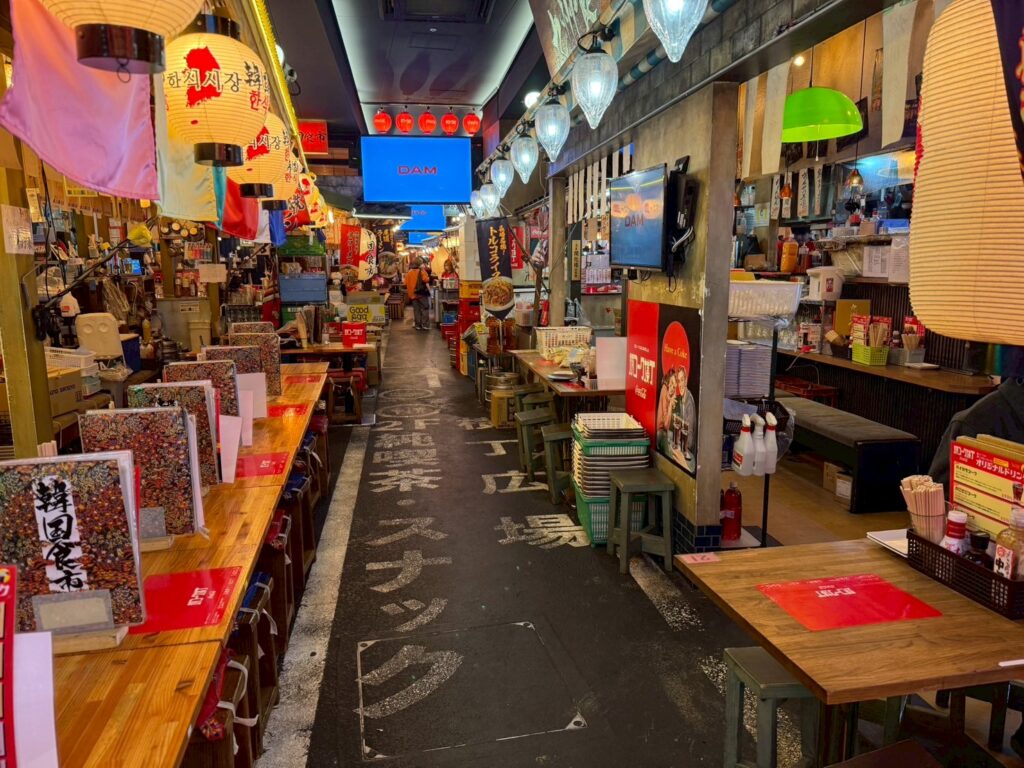
In recent years, new drinking districts modeled after old-fashioned alleyways, known as "neo-yokocho," have been popping up all over the country. Their retro atmosphere and the variety of shops they house have attracted many people, but with modern regulations such as fire safety laws, it is difficult to recreate the unique atmosphere of the alleyways of yesteryear. Inevitably, they tend to end up being built like orderly food courts.
Shibuya Yokocho, which opened in 2020
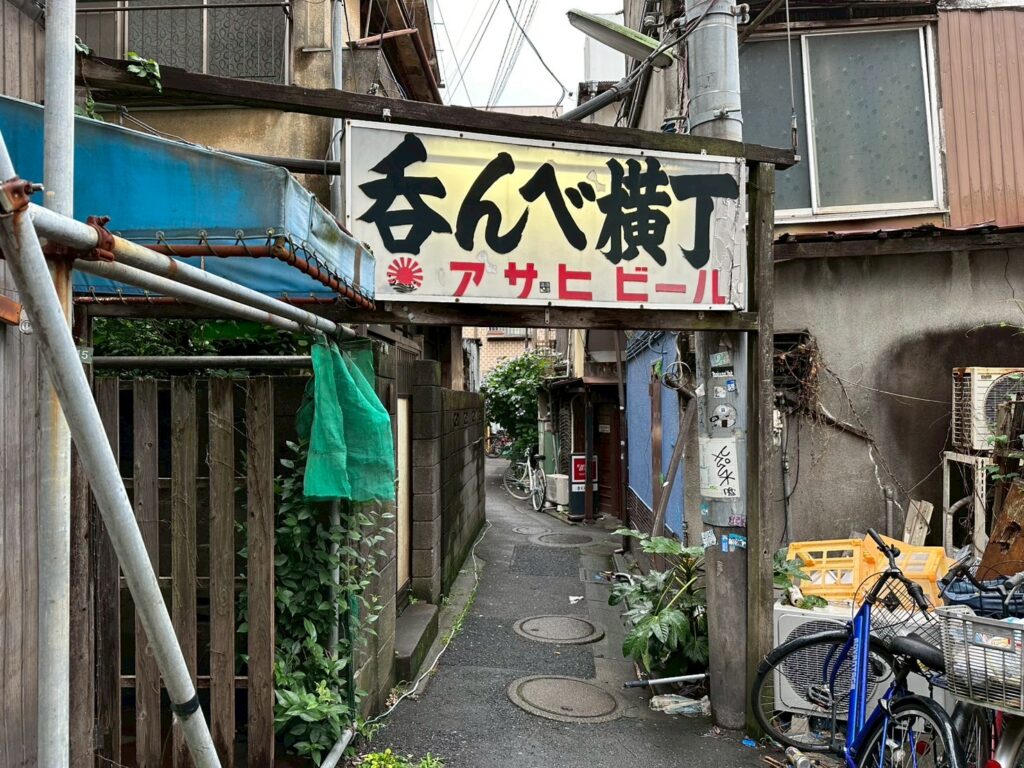
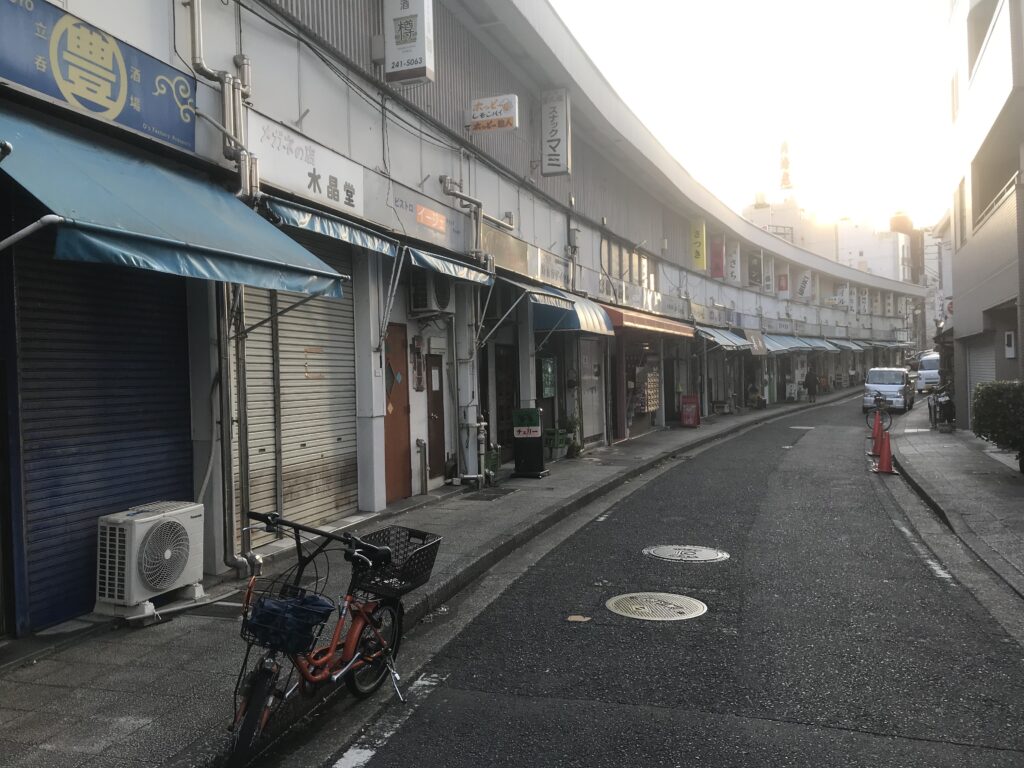
On the other hand, the real alleys that once existed all over Japan and have their roots in postwar black markets are being pushed aside by the wave of redevelopment and are decreasing in number. In recent years, long-loved alleys such as Tateishi's Nombe Yokocho and Sapporo's Hyotan Yokocho have disappeared.
Tateishi Drinking Street
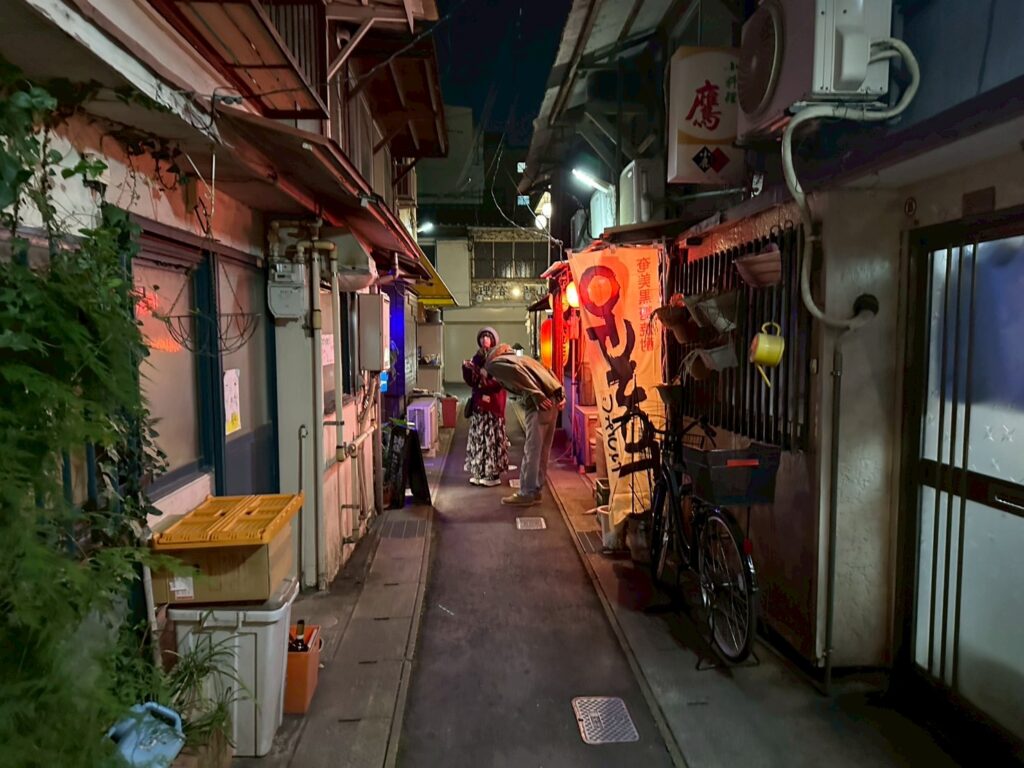
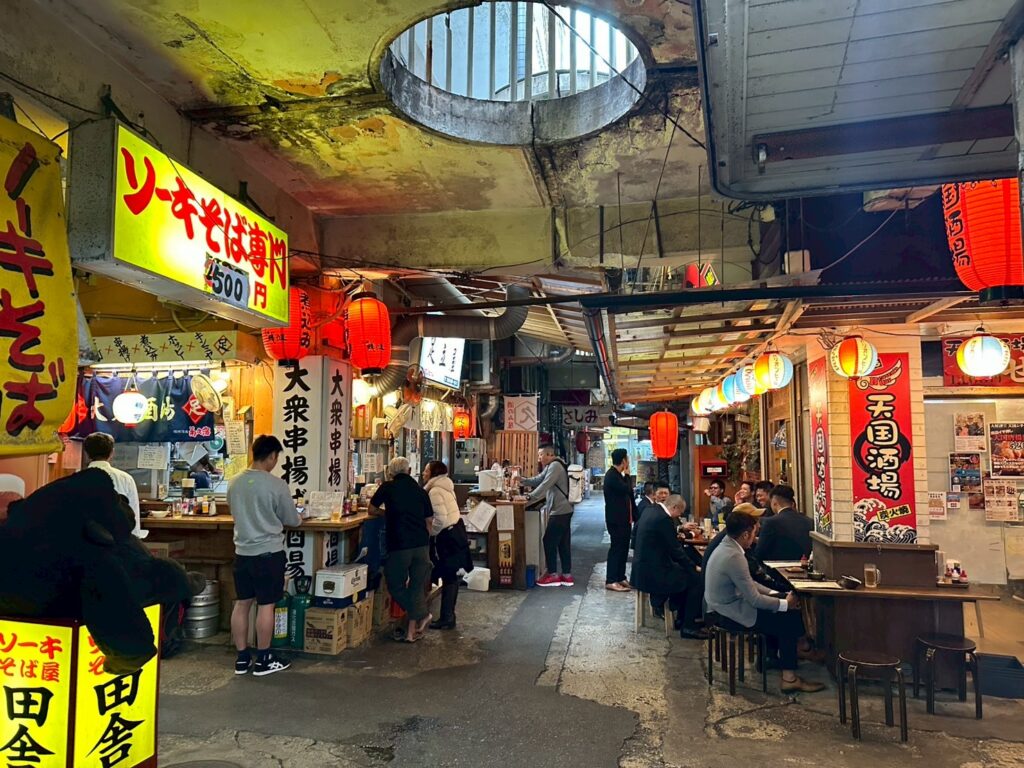
Even so, there are still a number of precious alleys remaining across the country that retain a strong resemblance to those days. Although the number of old establishments still dwindling, they have been revived under new ownership, and are now more than just drinking districts; they are still bustling with people as places where you can experience Japan's postwar history and the lifestyles and culture of the people who grew up there.
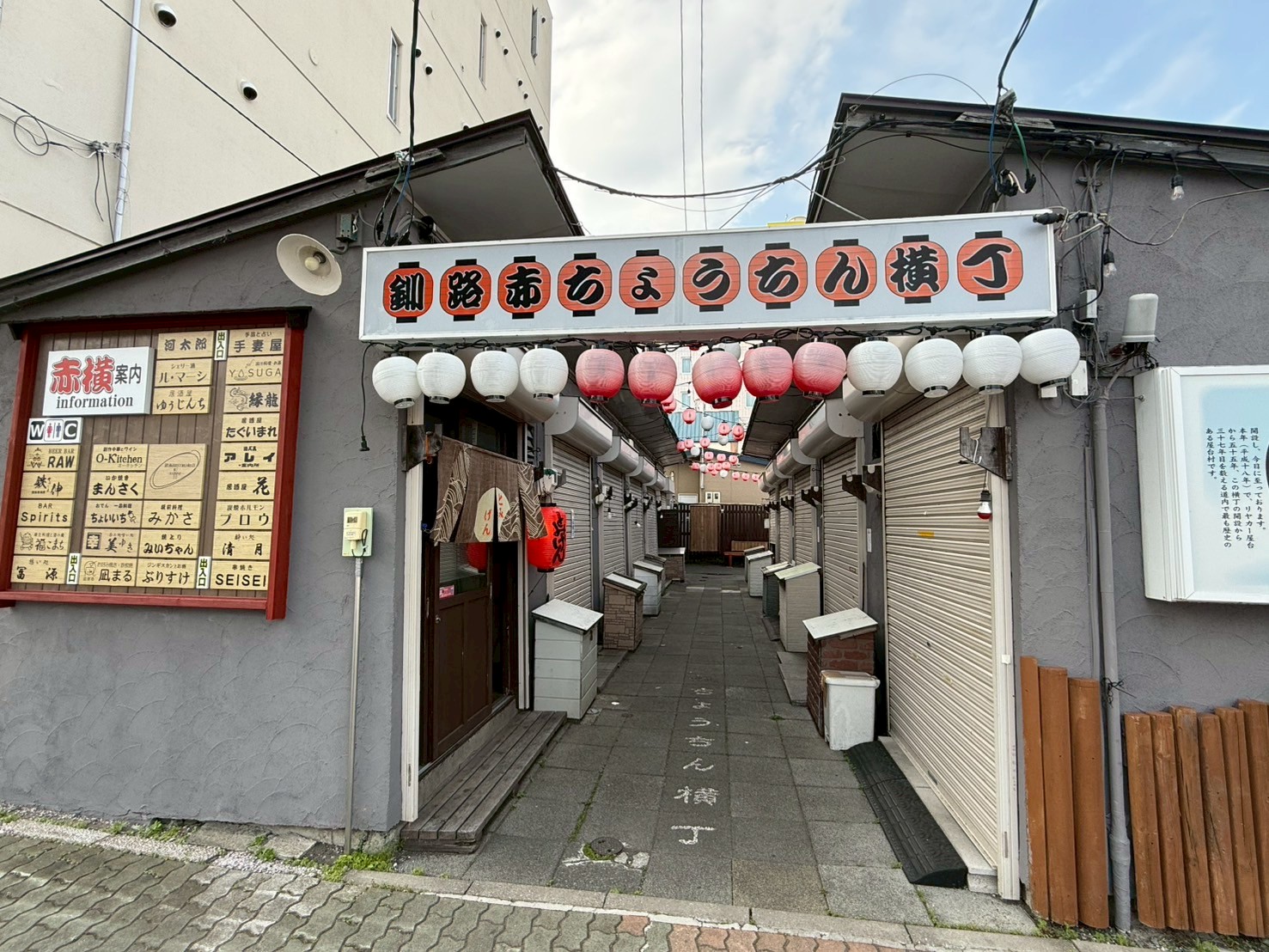
Kushiro Red Lantern Alley
Akachochin Yokocho began as a village of handcart stalls in 1952 (Showa 27) after the Second World War. It now has a history of over 70 years and is lined with 26 stores. It is the oldest alley in Hokkaido and is deeply connected to the history of Kushiro, which developed as a fishing town. While its appearance has changed little by little over the years, it remains a beloved alley full of human warmth that brightens up Kushiro's nightlife.
Hachinohe City in Aomori Prefecture is one of the Tohoku region's leading cities, with a vibrant "yokocho culture." The city center is home to eight yokocho alleys: Miroku Yokocho, Hanakoji, Lowcho Rensa-gai, Nagayokocho Rensa-gai, Tanukikoji, Harmonica Yokocho, Fifth Avenue, and Hachinohe Showa-dori.
Tanuki Alley
Hachinohe is home to a wide variety of establishments, from long-established establishments to new establishments, and is bustling with nightlife, offering dishes made with local ingredients and unique bars.
Harmonica Alley
Sendai Culture Yokocho & Ichi-Ni-San Yokocho
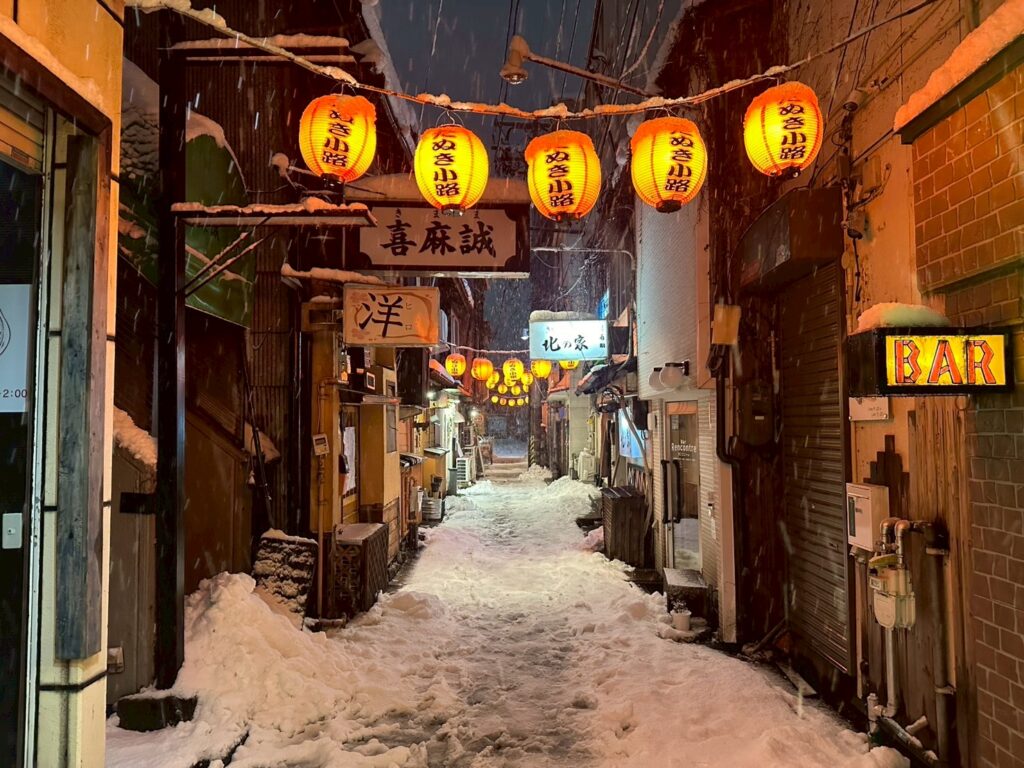
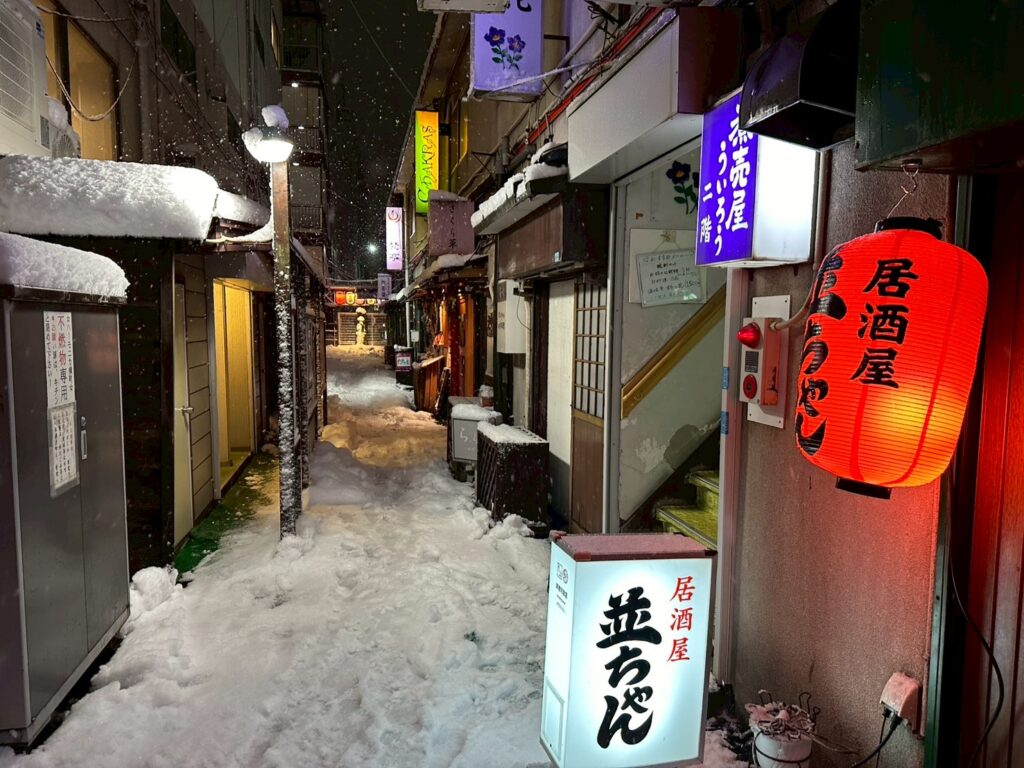
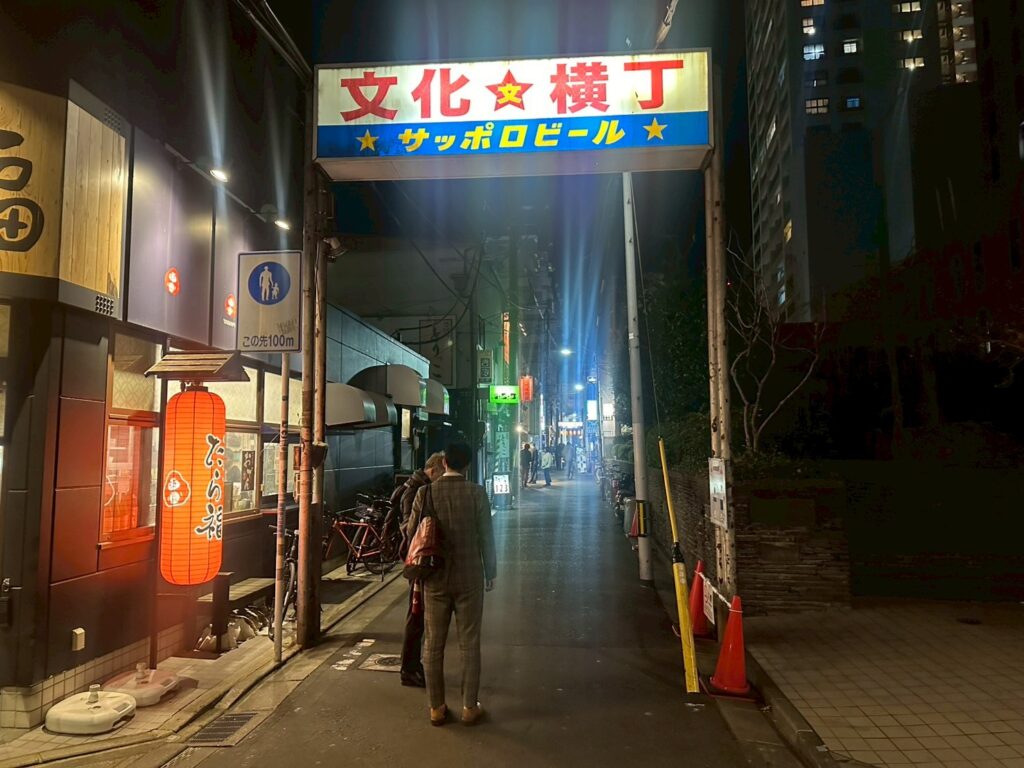
Bunka Yokocho and Iroha Yokocho, located in the center of Sendai City, Miyagi Prefecture, are adjacent historic drinking districts.
Ichi-Ni-San Yokocho
Bunka Yokocho is said to have been formed on the site of Sendai's first movie theater during the Taisho era, while Ichi-Ni-San Yokocho has its roots in the postwar black market. Various shops are crammed into the narrow alleys, making it a popular spot for locals and tourists alike. Among them, Genji in Bunka Yokocho is a bar that represents Sendai and where you can feel the city's history the most.
Shibuya Drinker's Alley
Shibuya Nonbei Yokocho, said to have its roots in the post-war black market, is a quiet but vibrant drinking district that has survived around Shibuya Station, where redevelopment is underway. Nearly 40 small shops line the narrow alley, and at night, red lanterns come on, shining brightly. The area is bustling with unique shop owners and regular customers, and in recent years, young people and foreign tourists who come to enjoy the atmosphere.
http://www.nonbei.tokyo/
Shibuya Drinking Alley
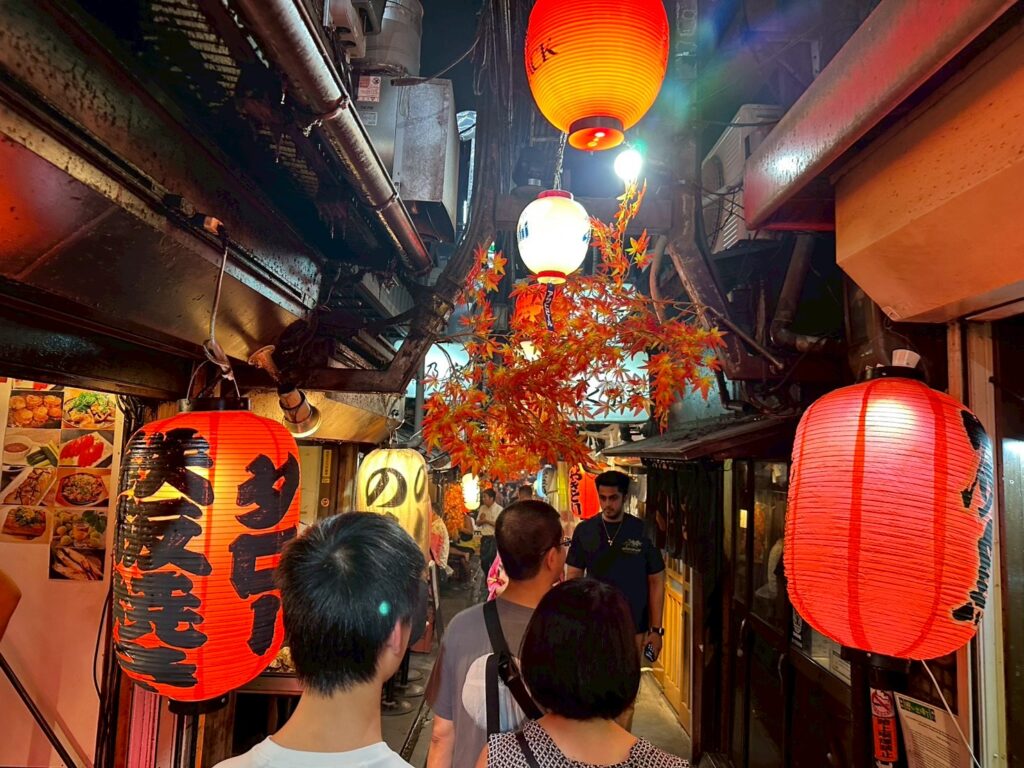
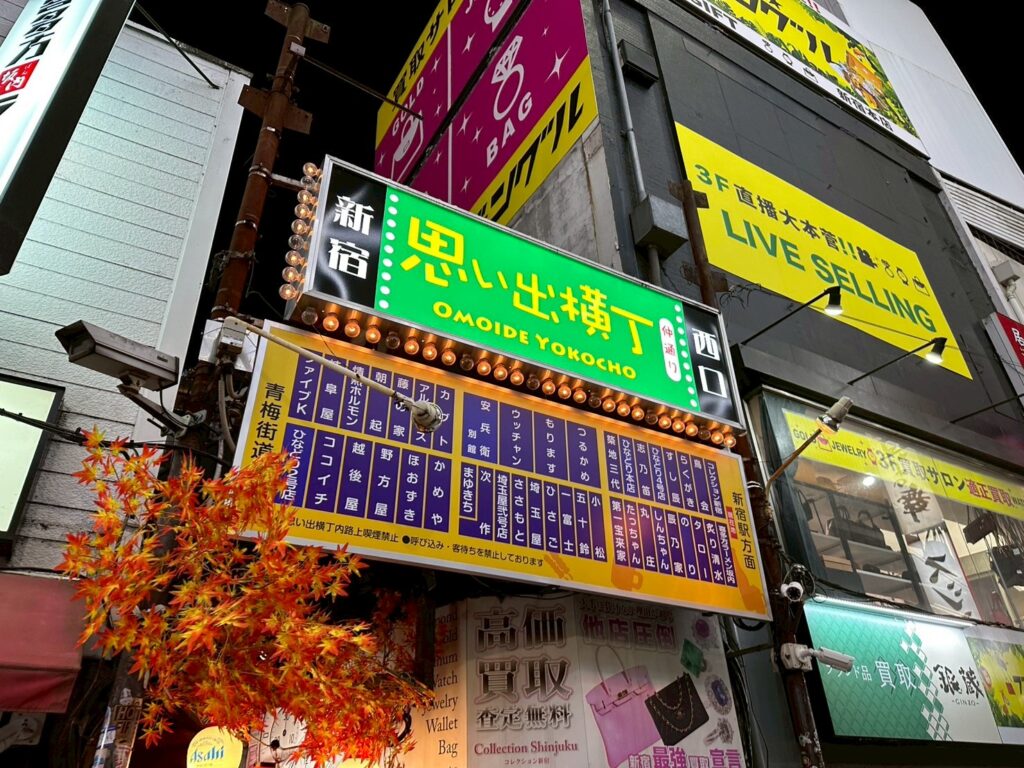
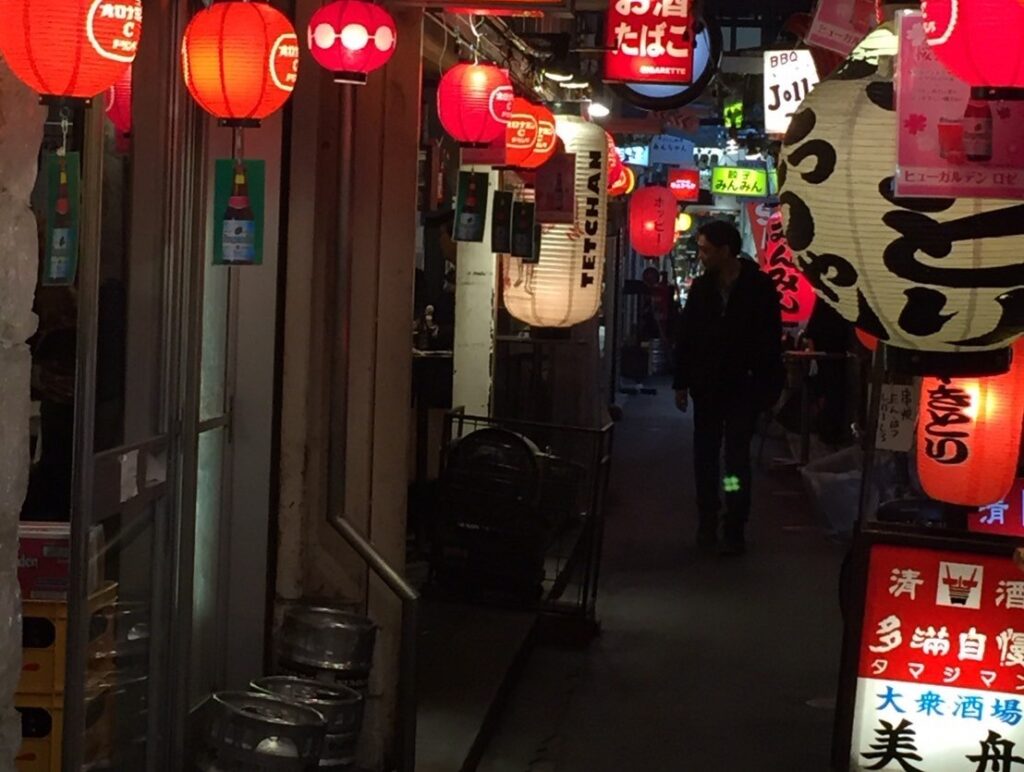
Shinjuku Omoide Yokocho
Omoide Yokocho, which appears amidst the hustle and bustle of Shinjuku Station's west exit, originated as a black market that rose from the ruins after the war. It was formerly known as "Shounen Yokocho" (Piss Alley), but was renamed to its current name in 1999. With the smoke of yakitori rising and a nostalgic Showa-era atmosphere permeating the air, this place is now a major tourist spot for foreign tourists.
You can experience Tokyo's unique bar culture with dishes like "Kabuto" eel and "Sasamoto" skewered stew.
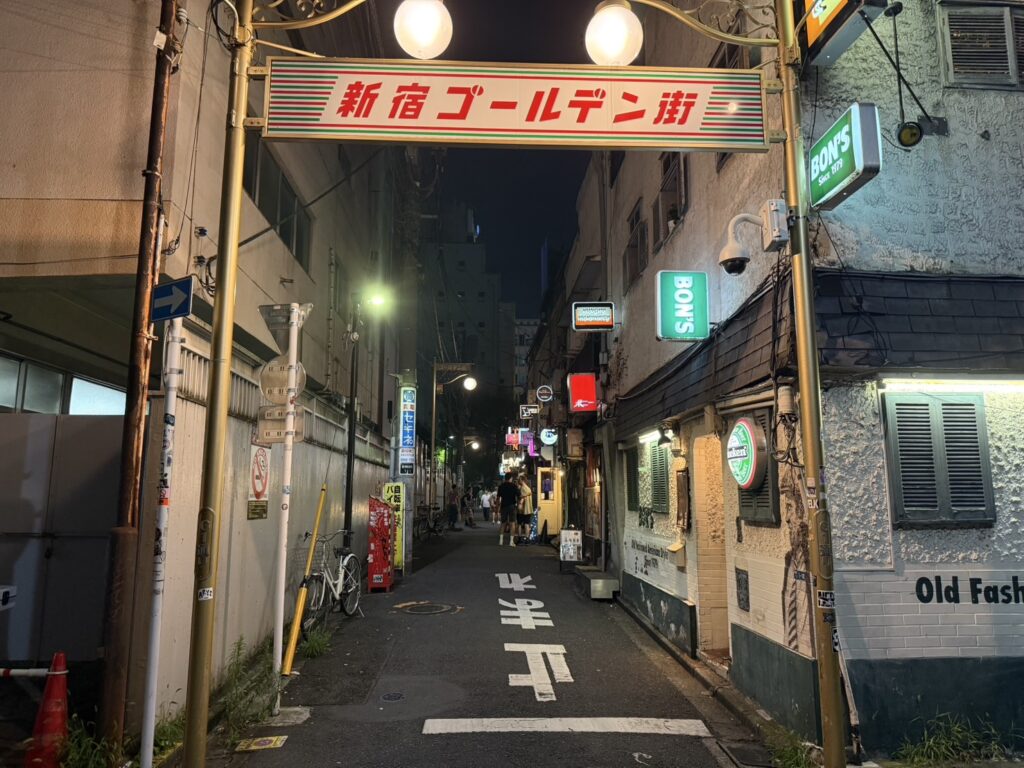
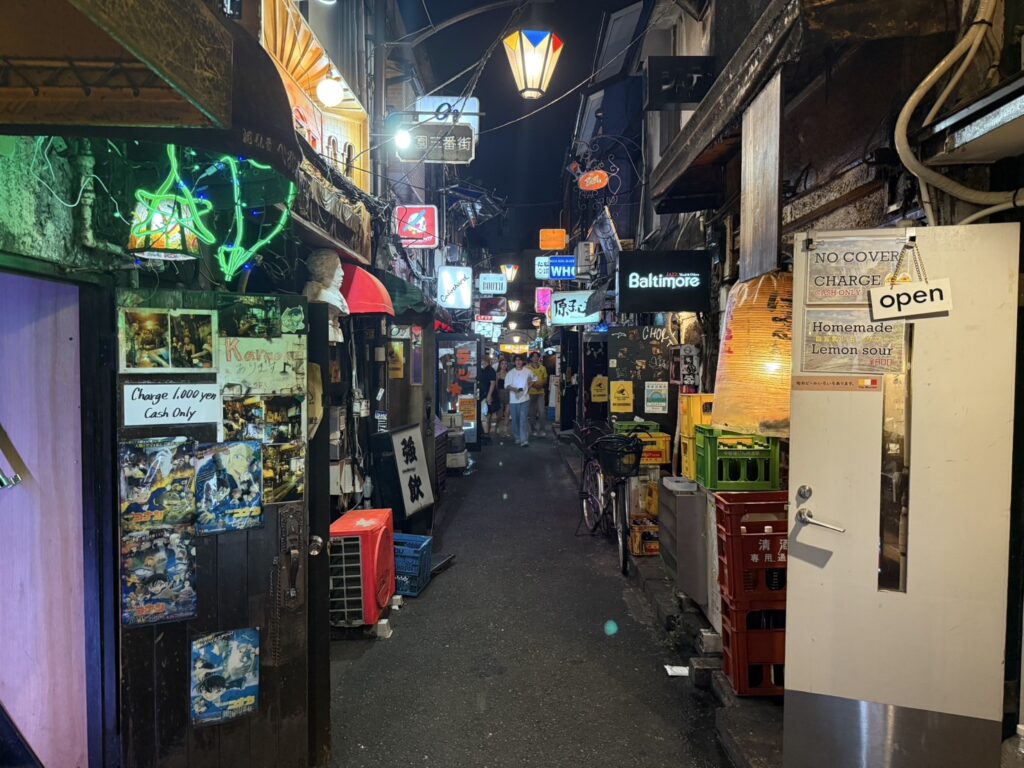
Shinjuku Golden Gai
Located near Shinjuku East Exit and Kabukicho, Golden Gai is a drinking district with a unique landscape of narrow, maze-like alleys lined with wooden row houses that are over several decades old.
Originating from a post-war black market, it is said that at its peak there were over 300 shops lined up along the street. It also has a cultural aspect, attracting literary figures and artists, and rather than long-established drinking establishments, there are many unique bars and snack bars, bustling every night. Its retro, underground atmosphere continues to attract many people from both Japan and abroad.
Kichijoji Harmonica Alley
Harmonica Yokocho, located just outside the north exit of Kichijoji Station, is a historic shopping street said to have its roots in the black market after the war. As its name suggests, the narrow alley, shaped like the mouthpiece of a harmonica, is lined with around 100 stores, and in the daytime it is lined with grocery stores and general stores, but at night it transforms completely, with unique izakayas and bars opening up and transforming into a bustling drinking district, making it a lively symbol of Kichijoji.
Yokohama Noge
Noge doesn't have the feel of a "side alley," but it is an area with a long history of thriving as a red-light district. After the war, it continued its bustle and developed into a drinking district lined with unique izakayas, bars, and taverns. In recent years, the area has seen an increase in new-style restaurants, and is attracting attention as an area with a variety of ways to enjoy yourself. The charm of Noge is that it retains its old-fashioned atmosphere while always breathing new life into it.
Not only on the ground floor, but Sakuragicho Pio City is also open during the day and is bustling with activity even while it's still light out.
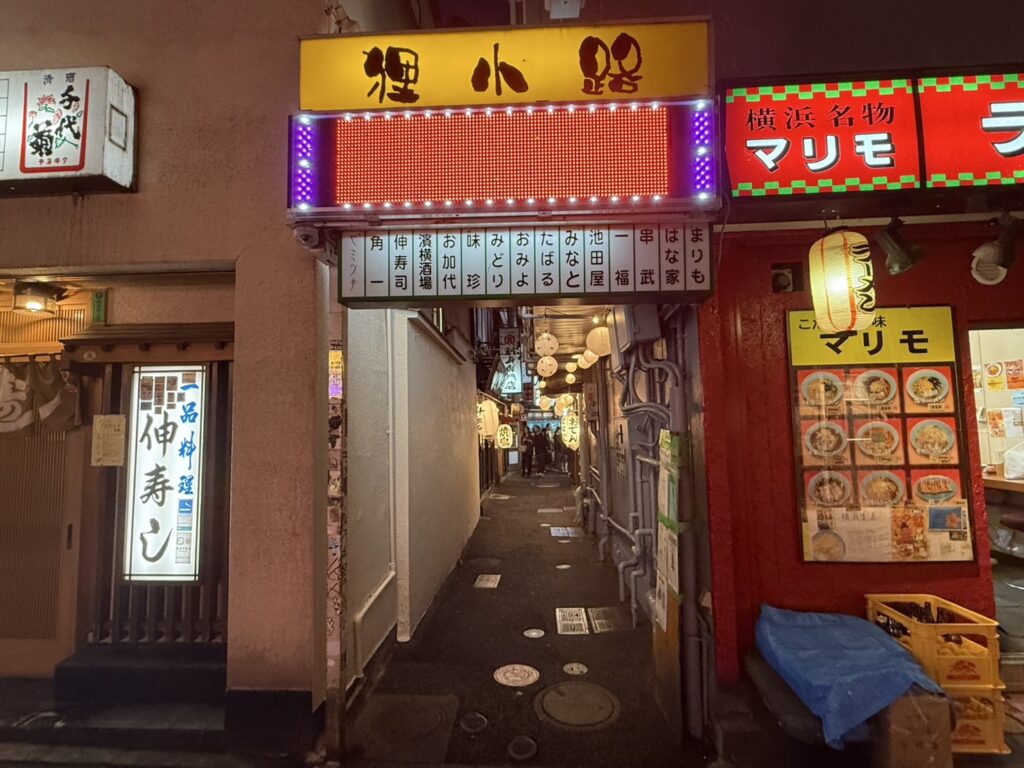
Tanukikoji, Yokohama
Tanukikoji, located at the west exit of Yokohama Station, is said to have spontaneously emerged as a black market during the chaotic post-war period. Small shops crowded the narrow alleys, making it a lively place where a wide variety of goods were traded, from daily necessities to luxury items. Later, as times changed, it transformed into a drinking district centered around restaurants and bars.
In recent years, despite the wave of redevelopment, the area has retained its traditional atmosphere, making it a valuable oasis where locals and people using the station can easily drop in.
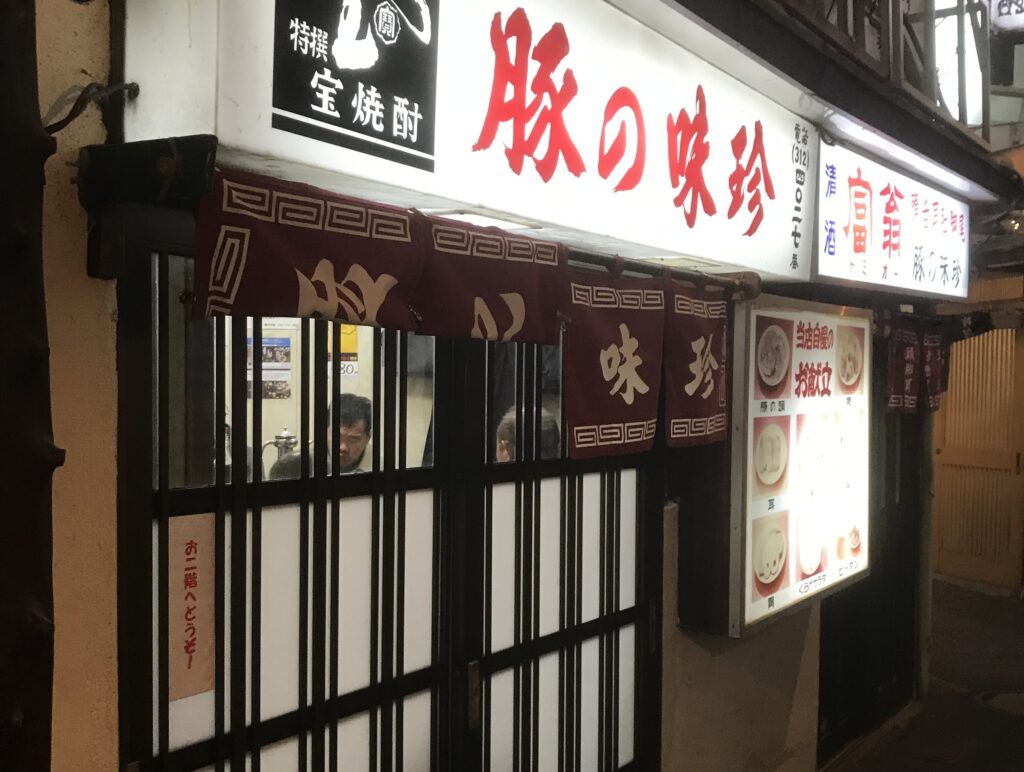
You can experience the depth of this flavor at Buta no Ajichin.
Kawasaki City Mizonokuchi West Exit Shopping Street
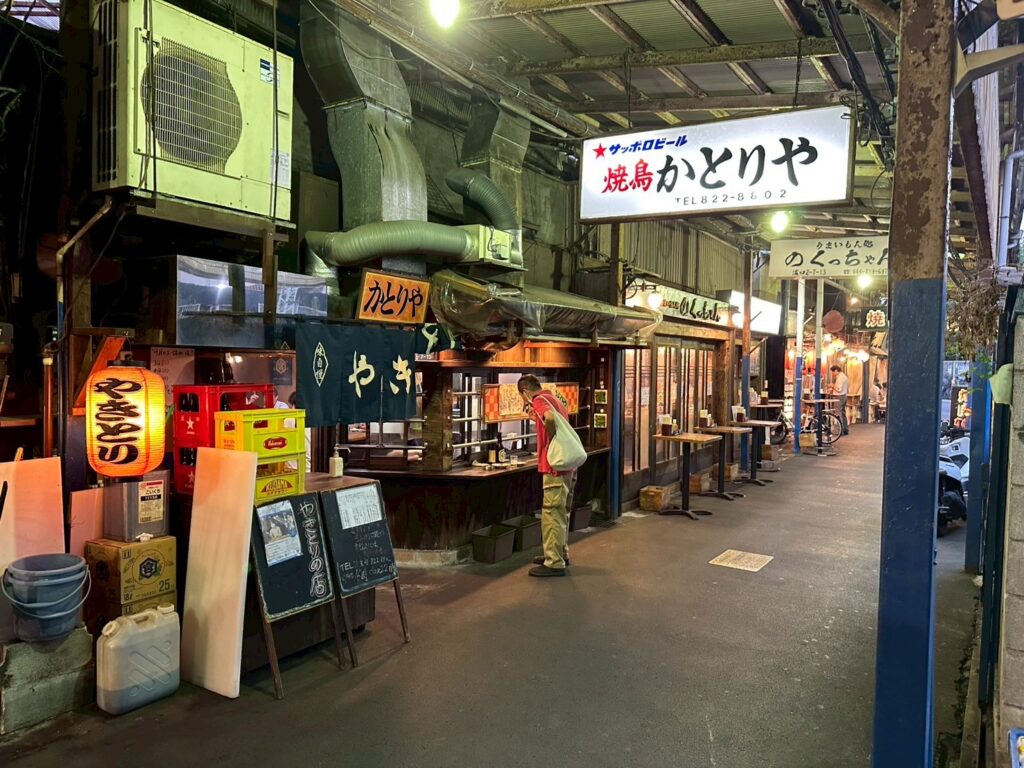
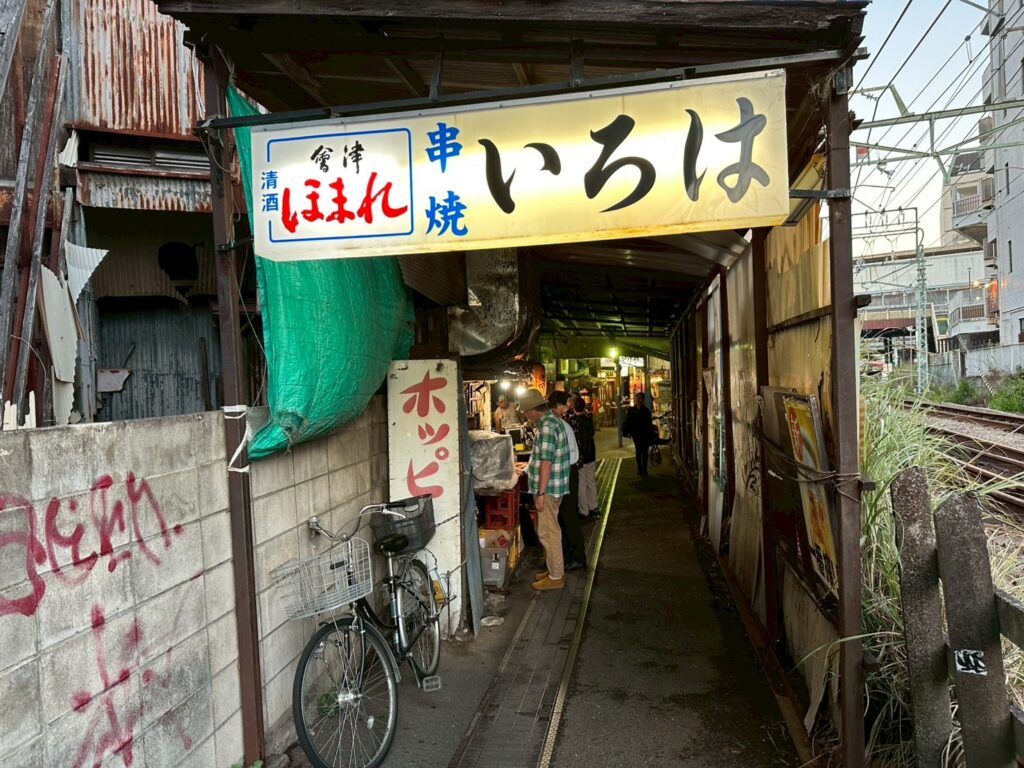
This shopping street stretches out from the west exit of Mizonokuchi Station on the Tokyu Denentoshi Line and Oimachi Line. Its origins are said to date back to the street stalls and black markets that spontaneously sprang up around the station during the chaotic period after the war.
The area is lined with unique establishments, including restaurants such as "Iroha" and "Katoriya," and at night it takes on the appearance of a lively drinking district.
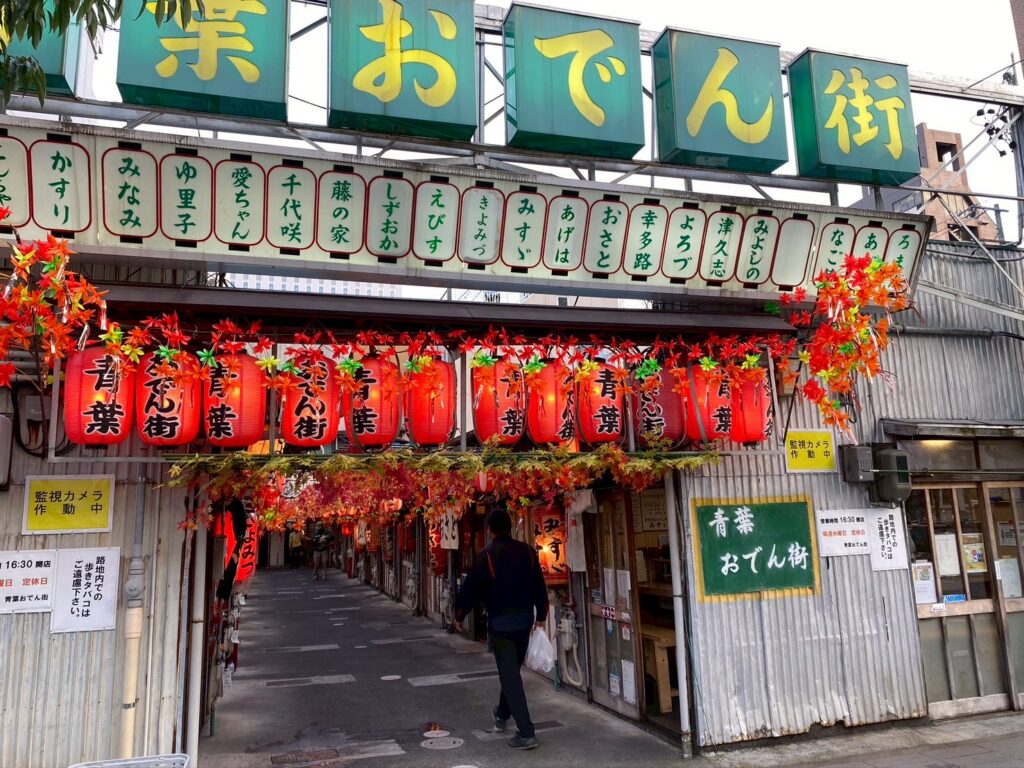
Shizuoka Aoba Oden Town Aoba Yokocho
After the war, about 200 oden stalls lined Aoba Street in front of City Hall, but after 1968 (Showa 43), due to the enforcement of the Road Traffic Act, oden stalls were no longer allowed to operate on the street, and the area was divided into "Aoba Oden Town" and "Aoba Yokocho."
Shizuoka oden is characterized by the style in which ingredients such as black fish cakes and beef tendons are simmered in a rich broth, and then topped with fish powder and green laver.
Kanazawa Central Food Street
In 1966 (Showa 41), in the back alleys of Katamachi 2-chome, Kanazawa's downtown, people were reminded of the nostalgic sight of food stalls that once existed in Kanazawa, and decided to create a food stall-style drinking alley. The alley is lined with small shops, each measuring just under 10 sq. m, and there are about 20 shops lined up, each of which can only seat 6-8 people.
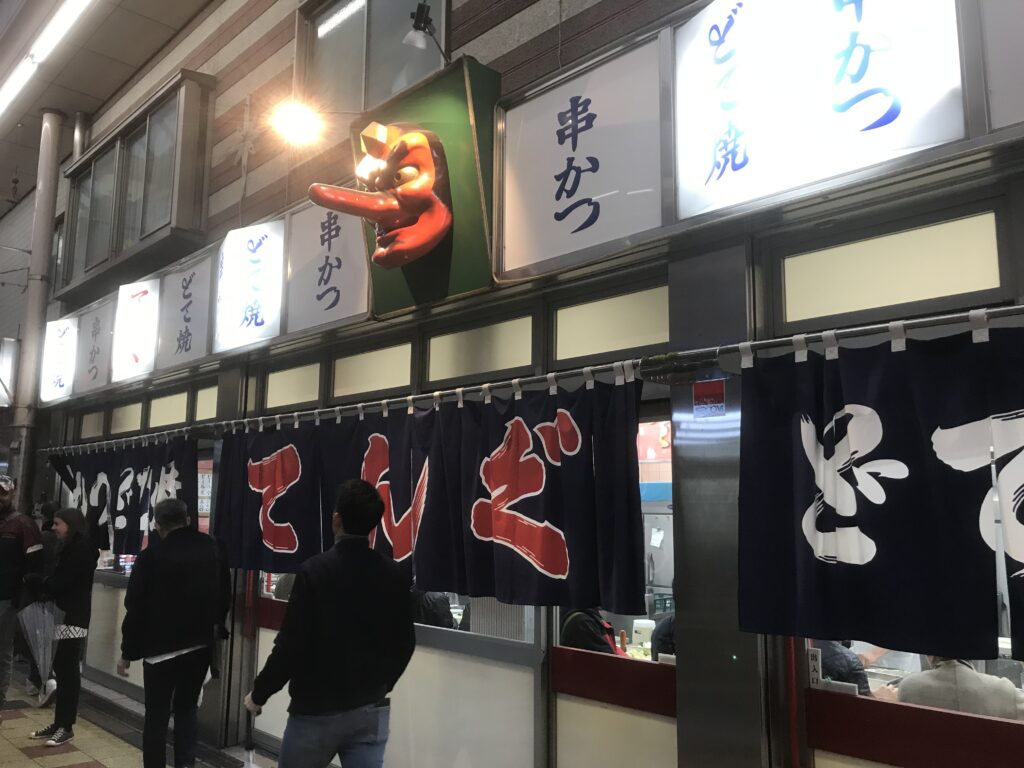
It opened in 1921 as a route connecting Tobita Red Light District, which opened in 1918, and Shinsekai. Originally, it was also called "Gunkan Yokocho" (Battleship Yokocho), as the narrow passageways, filled with people passing by, resembled the passageways inside a battleship. After the war, it became a bustling shopping street, filled with the sounds of shamisen and taiko drums, and the name "Janjan Yokocho" (Janjan Yokocho) took root.
Although it is called a side street, it is actually an arcade shopping street lined with down-to-earth Osaka-style establishments, including a kushikatsu restaurant famous for not allowing customers to double-dip their food in sauce, a standing bar where you can drink from noon, and a shogi club.
Fukuoka Sankaku Market
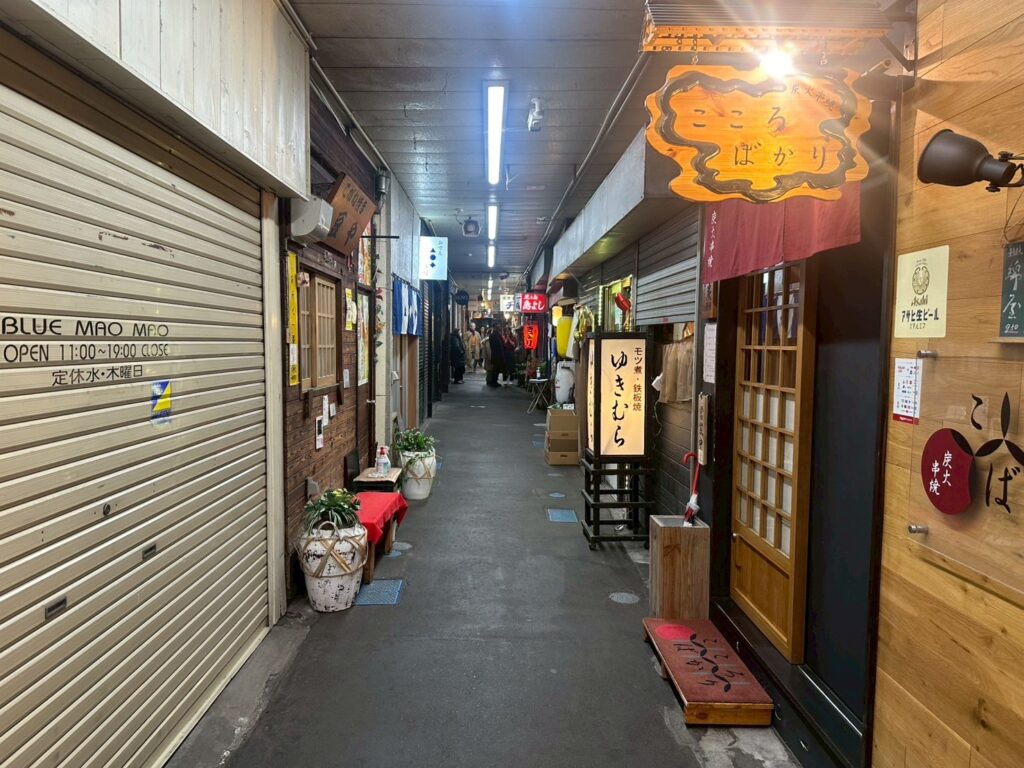
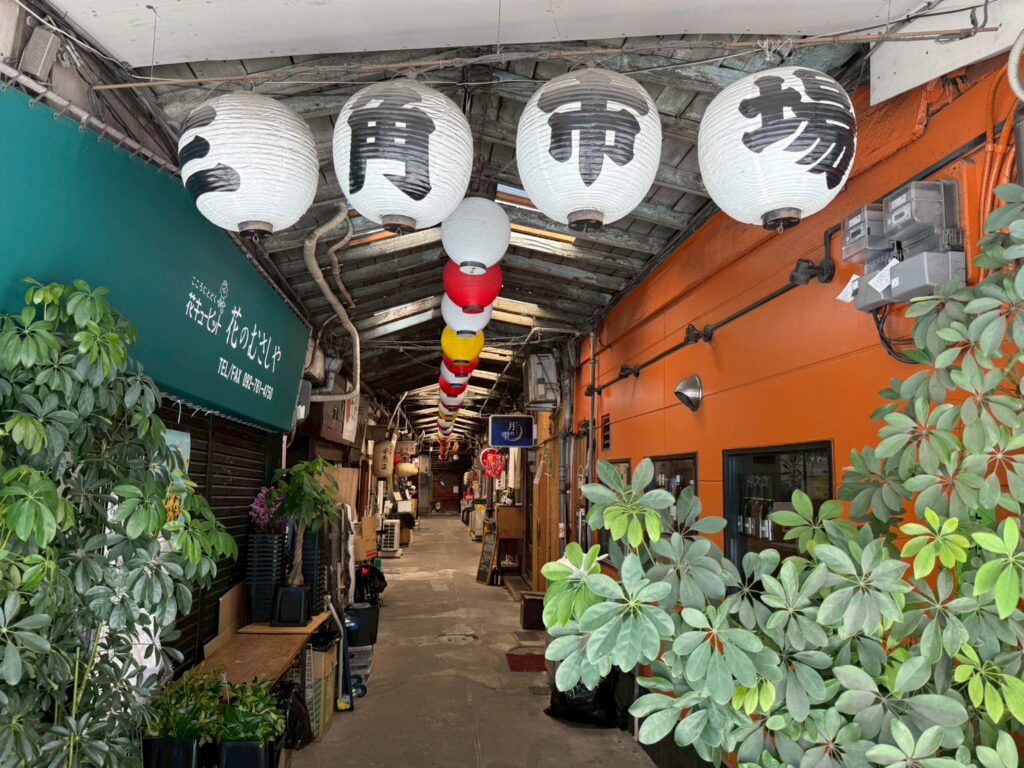
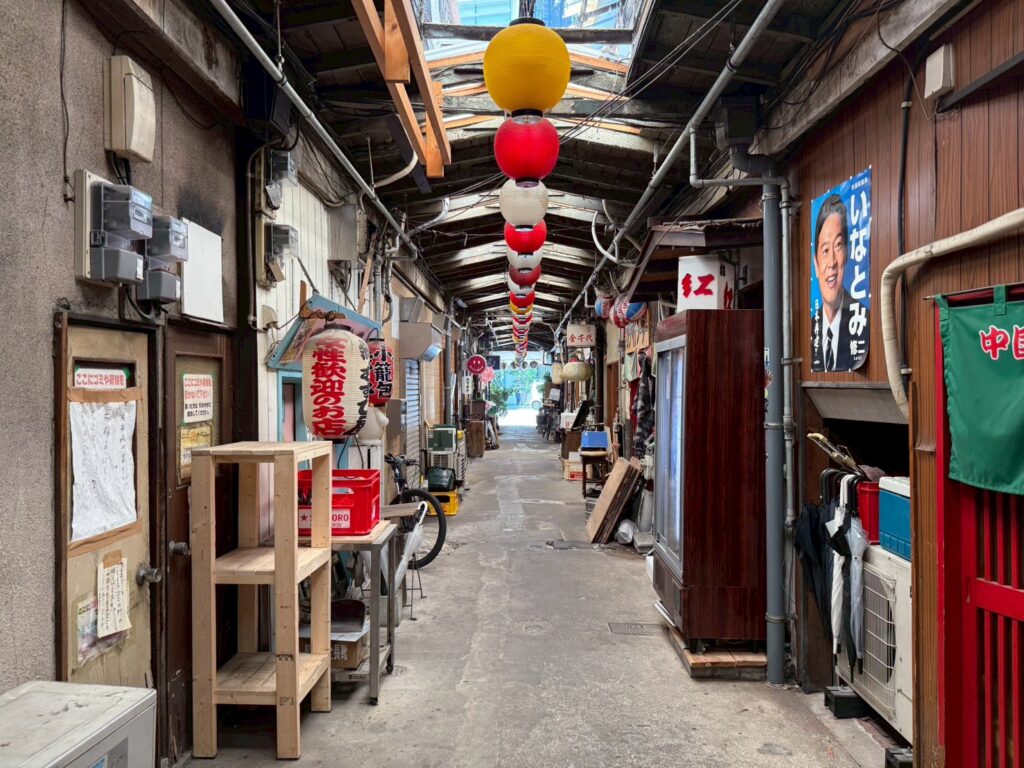
Sankaku Market, located in Watanabedori, Chuo Ward, Fukuoka City, is said to have been created when the shopping street that was located in the triangle of Watanabedori 1-chome was relocated around 1950. It originated as a black market after the war, and is characterized by its wooden arcade that still retains the atmosphere of the Showa era.
Meizanbori, which stretches out in front of Kagoshima City Hall, was once a waterway that was filled in during the Taisho era, and restaurants began to line both sides of it.
Currently, Meizanbori still retains traces of its original stone walls and waterways, creating a retro atmosphere. In recent years, the area has become a vibrant place with restaurants, general stores and other businesses renovated from old buildings.
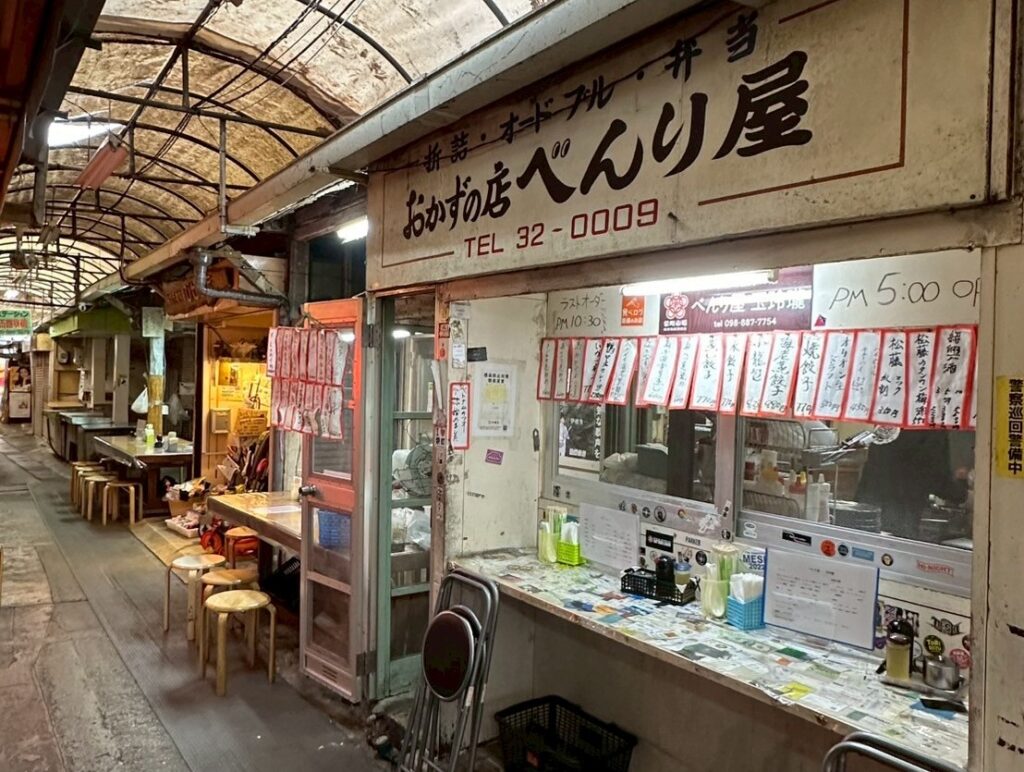
Naha Sakaemachi Market
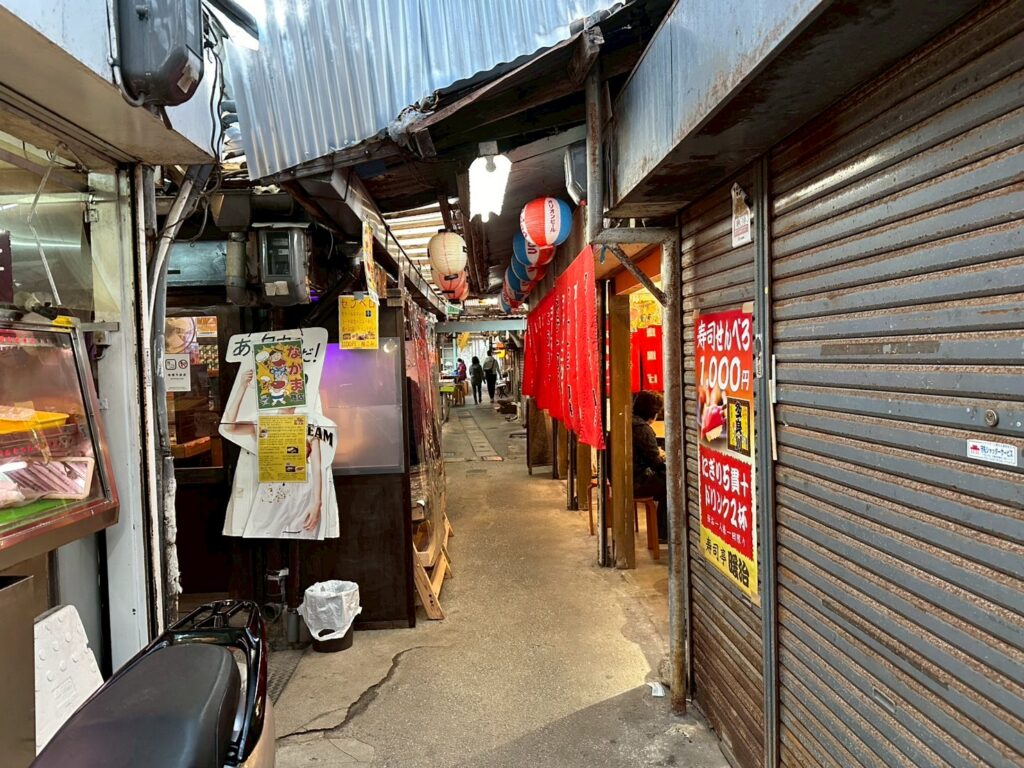
Sakaemachi Market, located in Sakaemachi, Naha City, has its roots in a black market that spontaneously formed in burnt-out wasteland during the chaotic period after the war. It was a place that supported people's lives, trading a variety of items, from daily necessities to food and clothing. After that, stores were gradually built up and it took on the shape of a market.
Even after Okinawa's return to mainland Japan in 1972, it has continued to thrive as a local kitchen, but in recent years, it has become even more popular with young people and tourists attracted by its retro atmosphere.
Naha Makishi Public Market
Makishi Public Market, located close to Kokusai Street, is a historic market that has been affectionately known as "Naha's kitchen." It is said to have originated as a black market that spontaneously emerged to support people's lives during the post-war shortage of supplies. It was later opened as a public market in 1950 with the aim of improving sanitary conditions.
There are many establishments where you can have a drink during the day, including shops run by owners from the Kanto region and traditional restaurants serving set meals for market workers, and the market is bustling with activity all day long.
summary
The alleys scattered across the country are more than just drinking districts; they are important places that convey to the present day the lifestyles and culture that were born as Japan made a strong recovery after the war. However, in recent years, due to issues such as urban development and earthquake resistance standards, an increasing number of alleys have been disappearing little by little, which is very sad.
However, even if the area is redeveloped, I hope that it will be renovated in a way that preserves at least some of its old-fashioned atmosphere, while cherishing the history and culture rooted in the area and the memories of the people who lived there. The warmth and bustle unique to alleys can be said to be one of Japan's original landscapes. Now is the time to use wisdom and ingenuity to pass on this charm to the future.








 English
 Japanese
Comment